
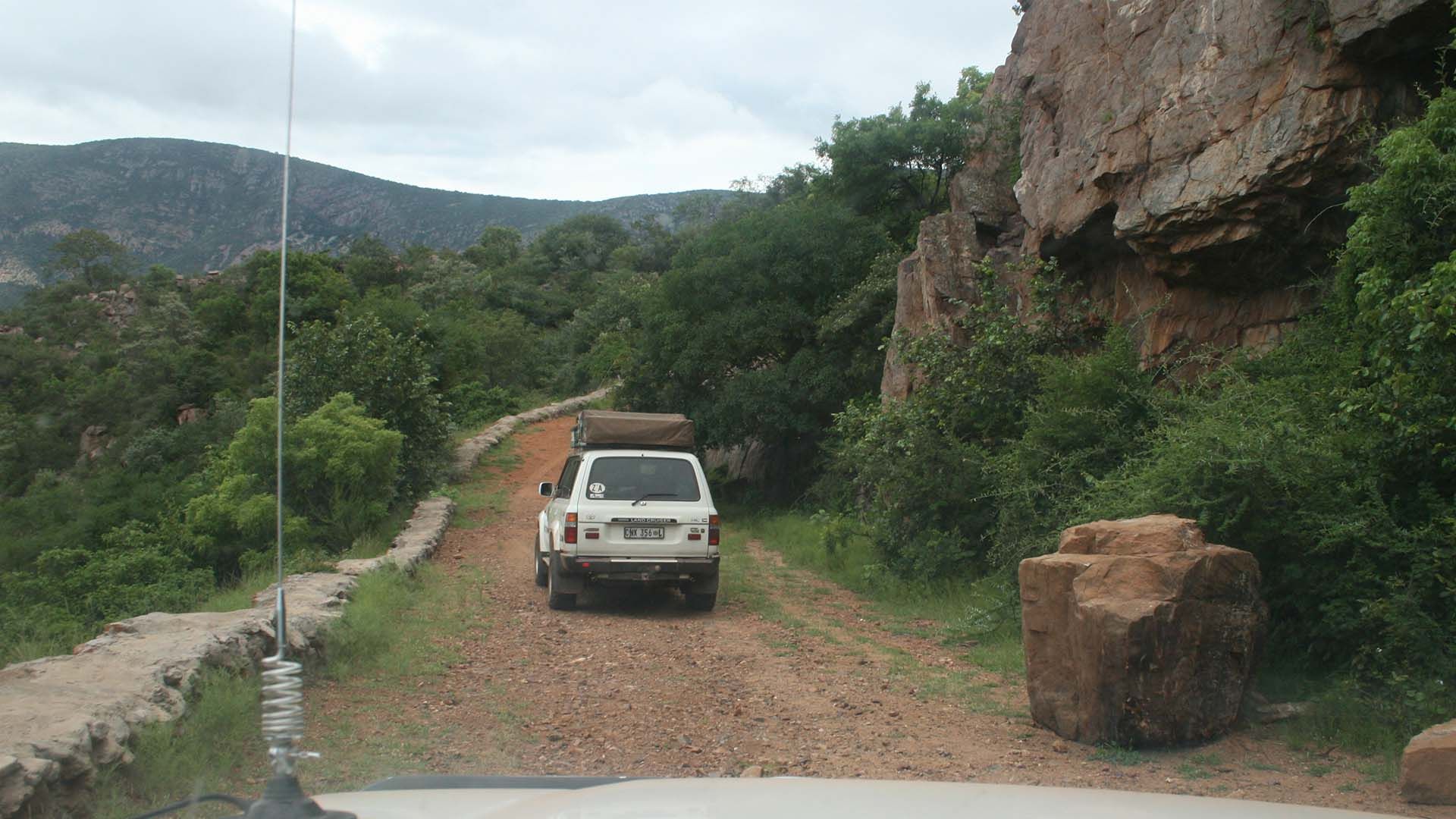
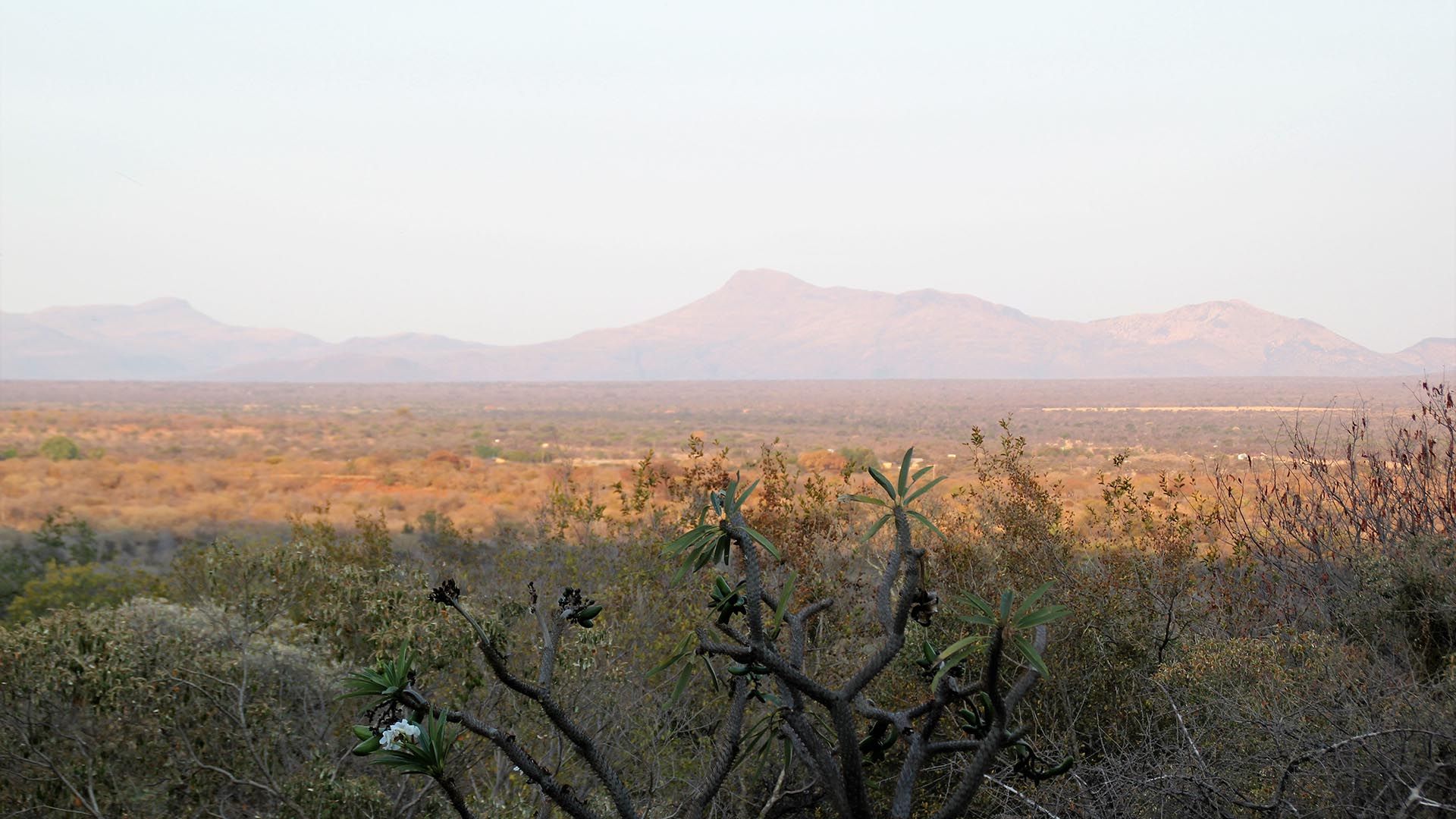
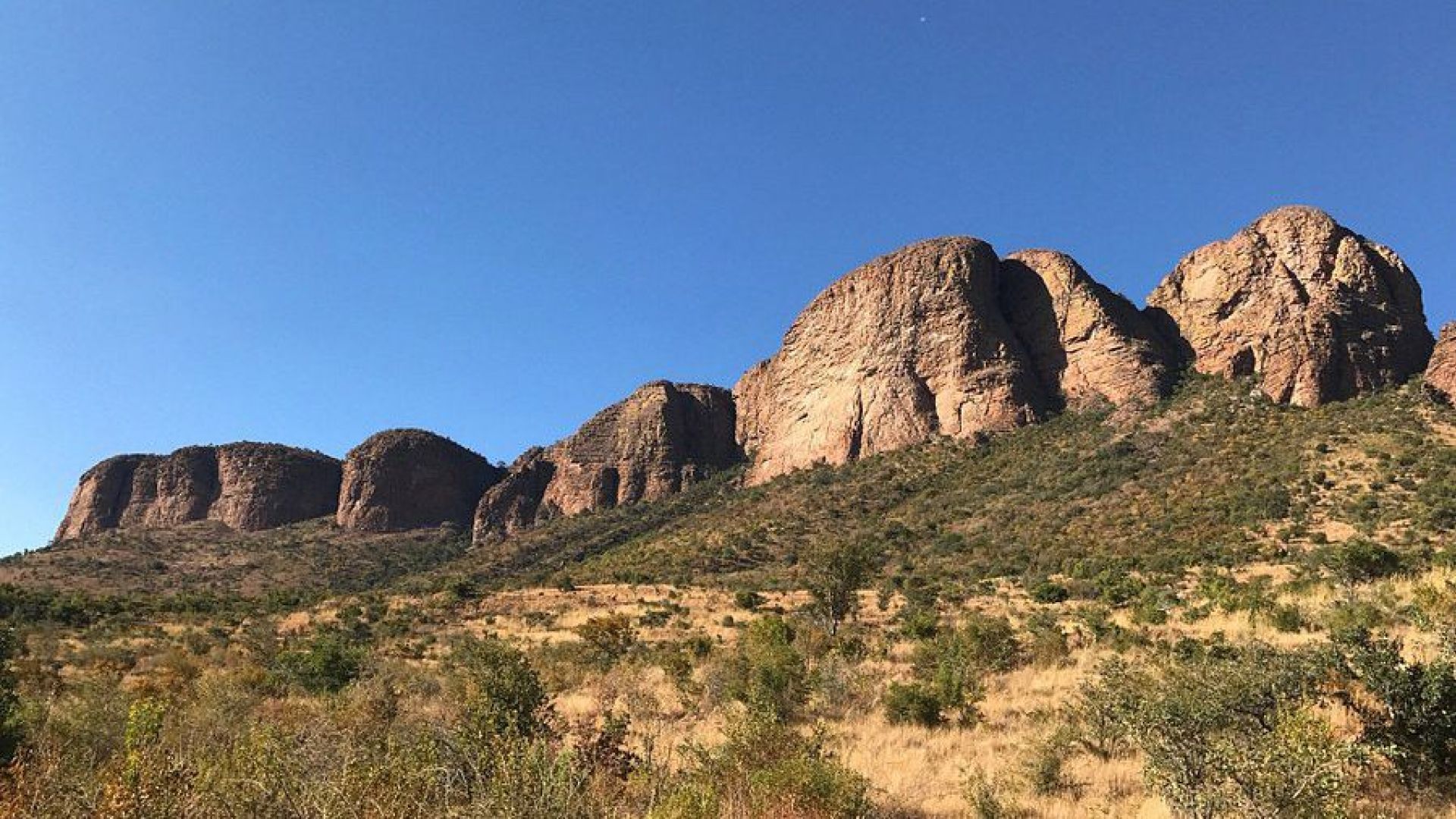
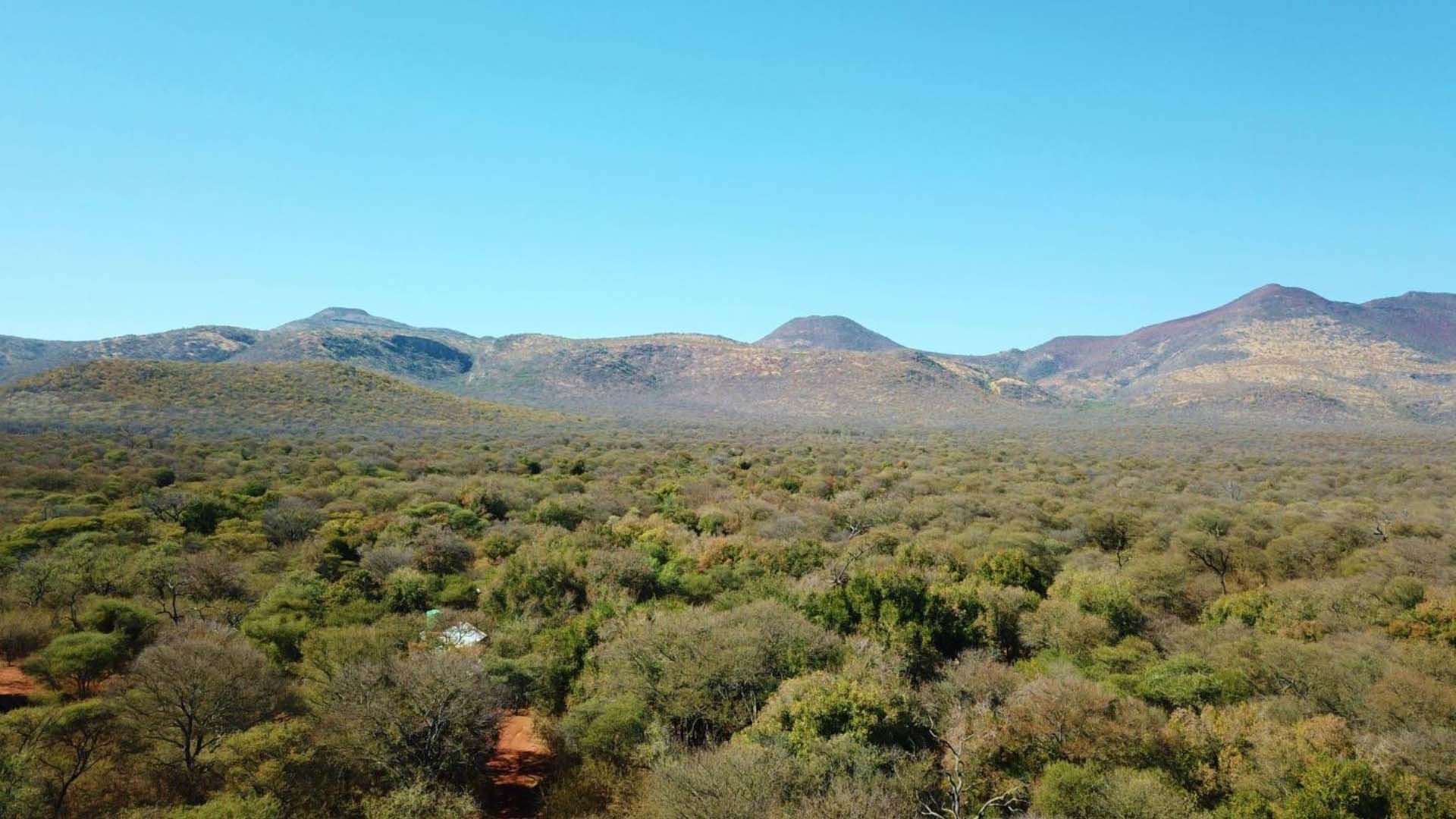
Thabazimbi means ‘mountain of iron’, and the region’s soils and rocks are indeed rich in iron ore, which has been mined here for some centuries, first by Sotho people, and now by the Iron and Steel Corporation (Iscor). Iscor laid out the town of Thabazimbi in 1953, and later established the Ben Alberts Nature Reserve as a recreational facility for its employees. The reserve covers 2 000 ha, and is watered by the Crocodile River, which is flanked by steep hillsides. In the background, the Kransberg (highest peak of the Waterberg range) is a magnificent and brooding presence.
A network of good gravel roads criss-crosses the reserve and some routes take you to lookout points with panoramic views of the reserve. Here you can expect to see an abundance of game, including white rhino’s, kudu, blue wildebeest, giraffes, eland, zebras and warthogs.
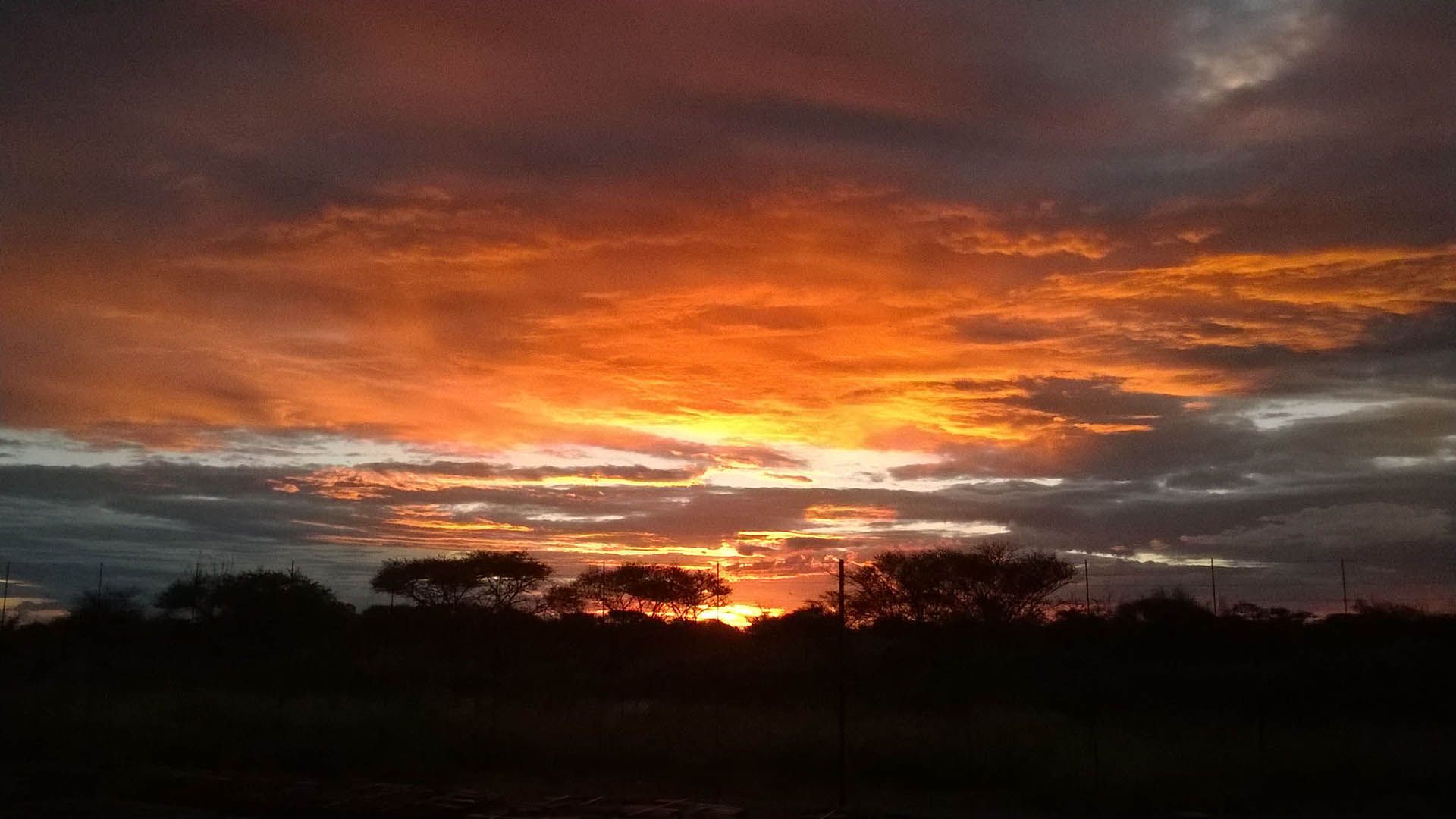
On our trips to the Waterberg (escaping the cold winter week-ends of Gauteng), we enjoyed the warm respite and subtle colours of the bushveld vegetation of silver grey, dusty fawn, grey-greens and golds, that throw a sharp contrasts against the rusty-red soil of the terrain in this remote region of South Africa….. Tall ant hills made from this rusty-red soil, some even more than 6 or 7 feet high are common when taking walks along bird watchers trails. Bird life is abundant and varied for the avid bird enthusiast. The stillness of the Waterberg region is absolute and profound for those seeking a well-deserved rest from the hustle and bustle of large city life. In the early morning coolness you can catch an abundance of small wild life, interesting reptiles – chameleons in amazing colours that fascinate young and old alike and are completely harmless. This is a fun and enjoyable week-end trip for families with even very young children.
You Will Need:
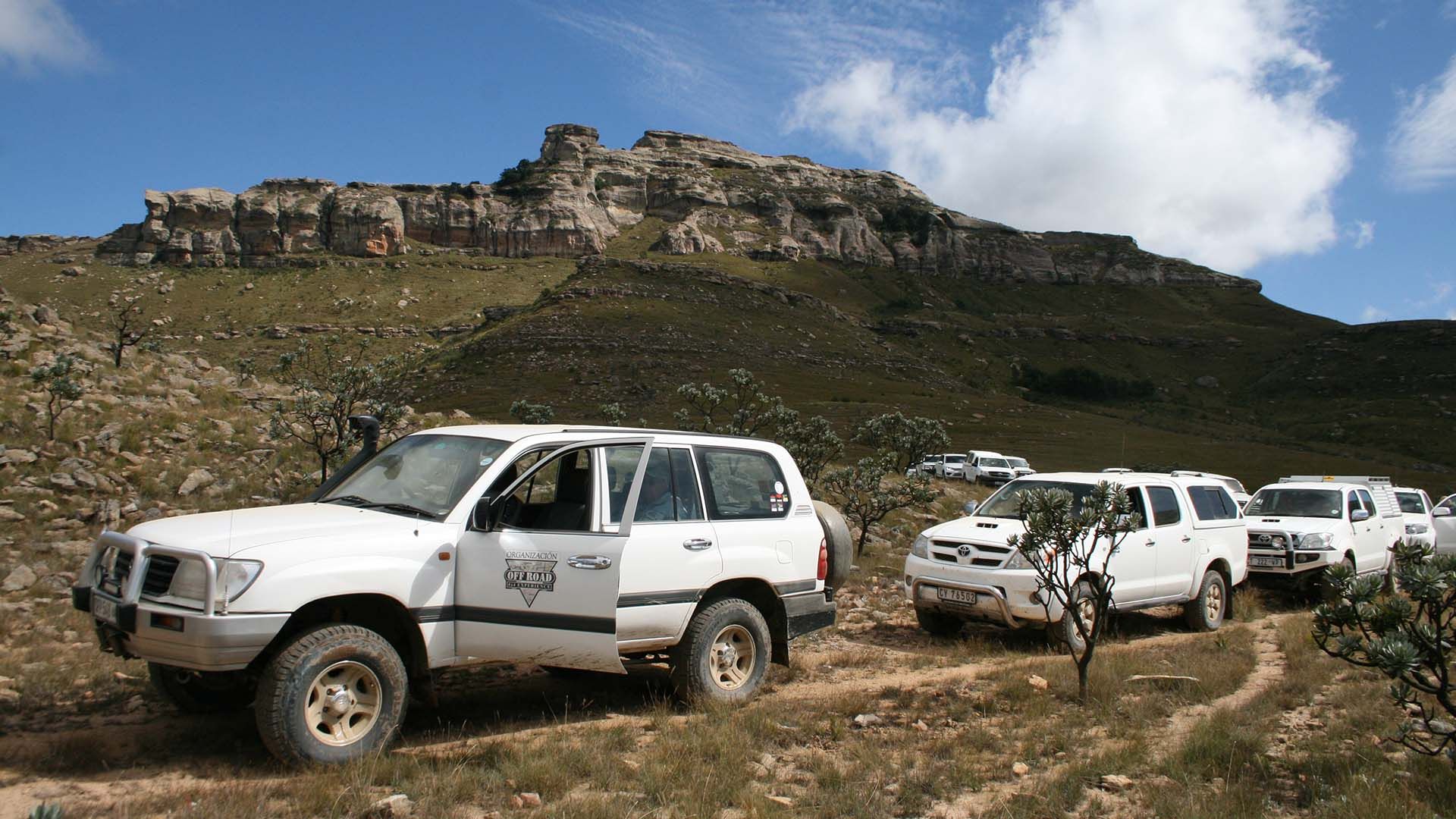
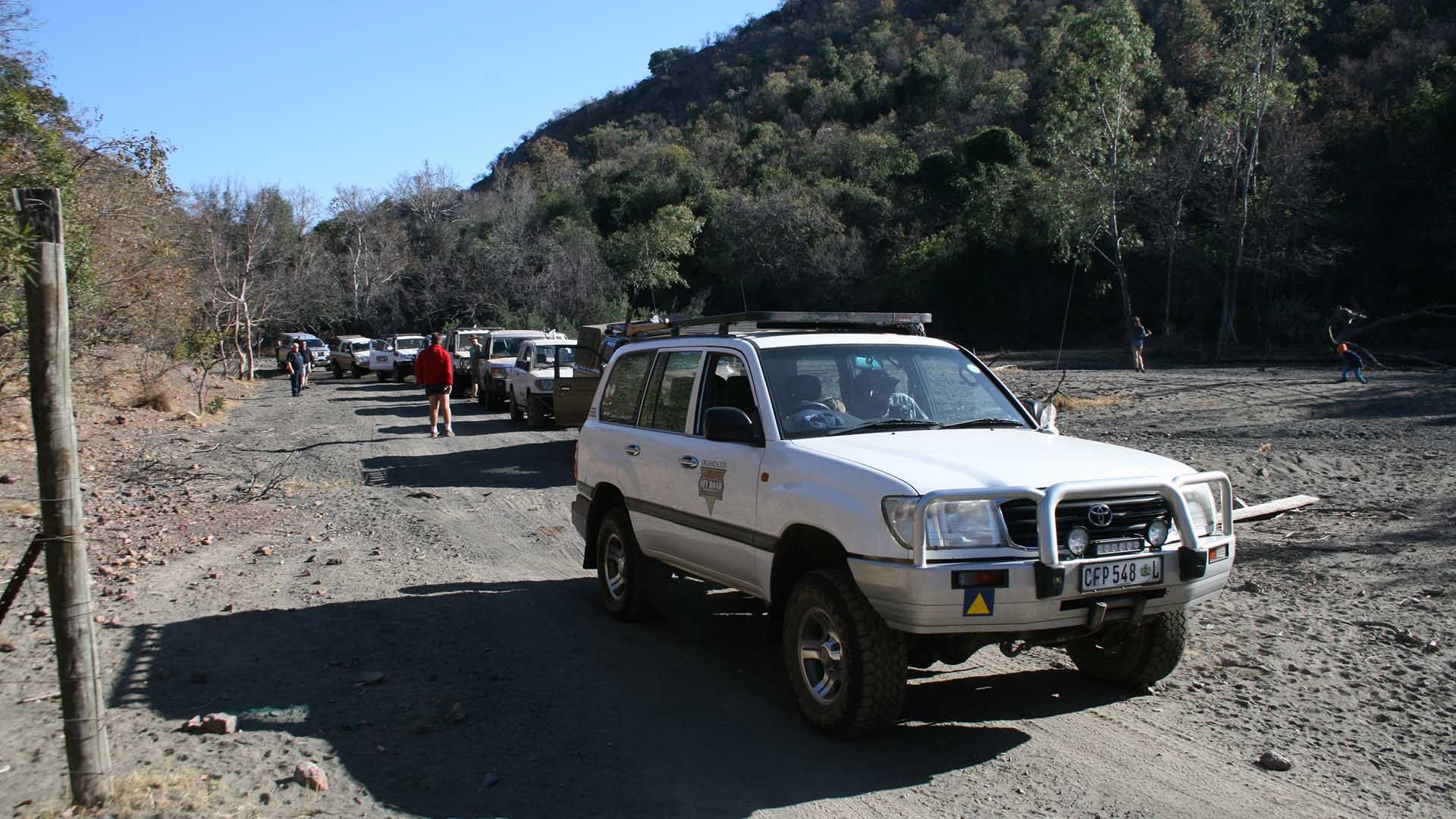
4×4 Vehicle, Camping equipment and your own beverages. If it is a cross border 4×4 tour then you will also need: passports for all in your party, ID documents, drivers license, insurance consent letter, bank consent letter, third party insurance (for most countries), and if needed – malaria tablets. Please also consult with your General Practitioner and advise them of the country you will be visiting, and follow the necessary malaria precautions and take all necessary medications. Please note that each country has different malaria precautions, some require you have the injections and others that you take the tablets etc.
More Tours
-
Pafuri Mosambiek 4×4 Eko Toer (5–17 Julie 2026)
Kom kuier en 4×4 saam ons in MOSAMIEK Bos. Strand. Avontuur. Een onvergeetlike reis. Sluit aan by Hi Tek 4×4 Adven… -

Outeniqua Pass (Mossel Bay)
-
Baviaanskloof
Location Gallery More Tours -
Parys Barakah 4×4
Location Gallery More Tours -

Dassiesfontein
Location Gallery More Tours -
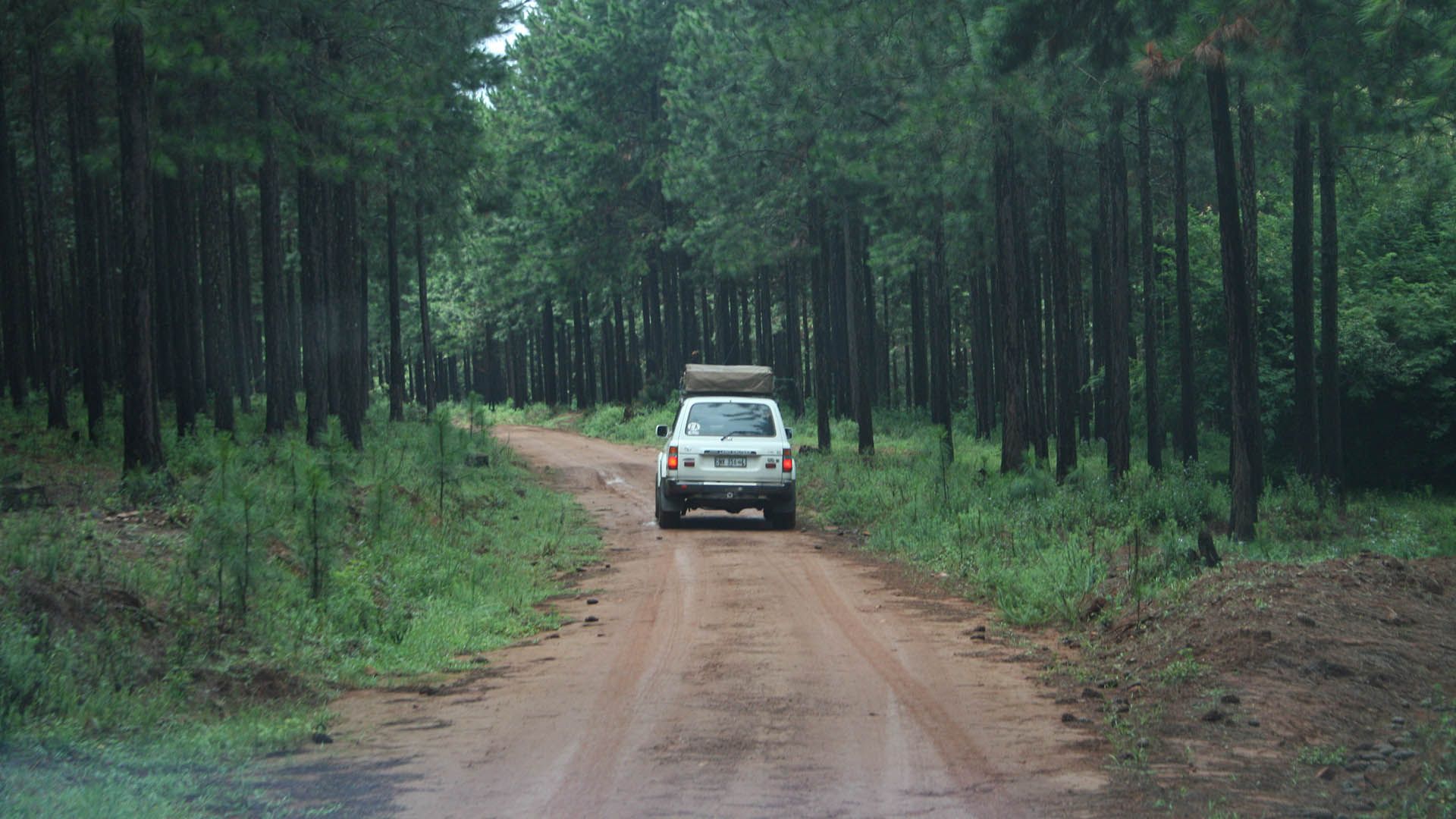
Venda 4×4 Legend Rain Forest Tour
Location Gallery hiadventure-vendatoer-1 hiadventure-vendatoer-2 hiadventure-ve… -
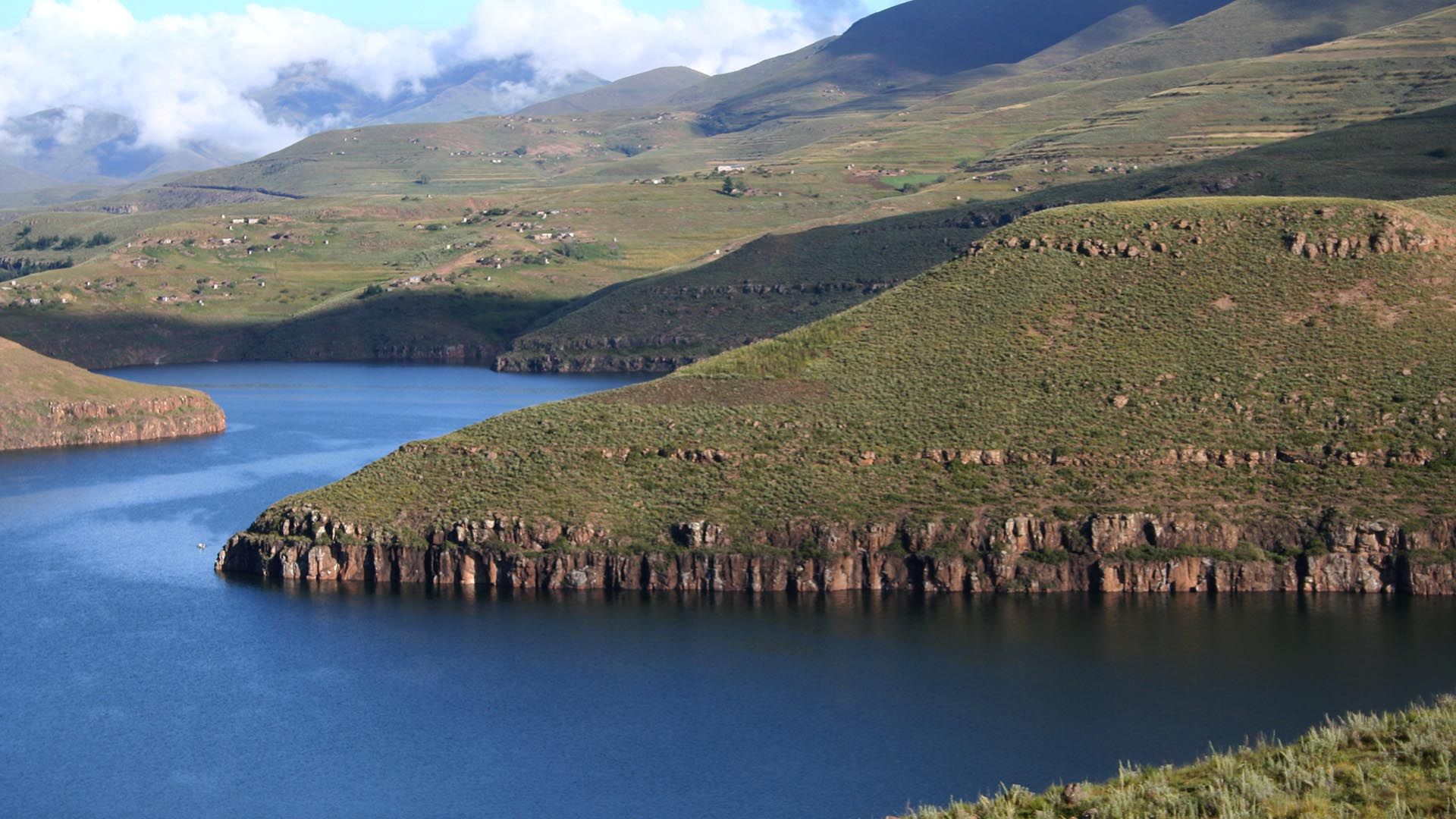
Loskop Dam
Location Gallery hiadventure-loskopdam-1 hiadventure-loskopdam-2 More Tours -
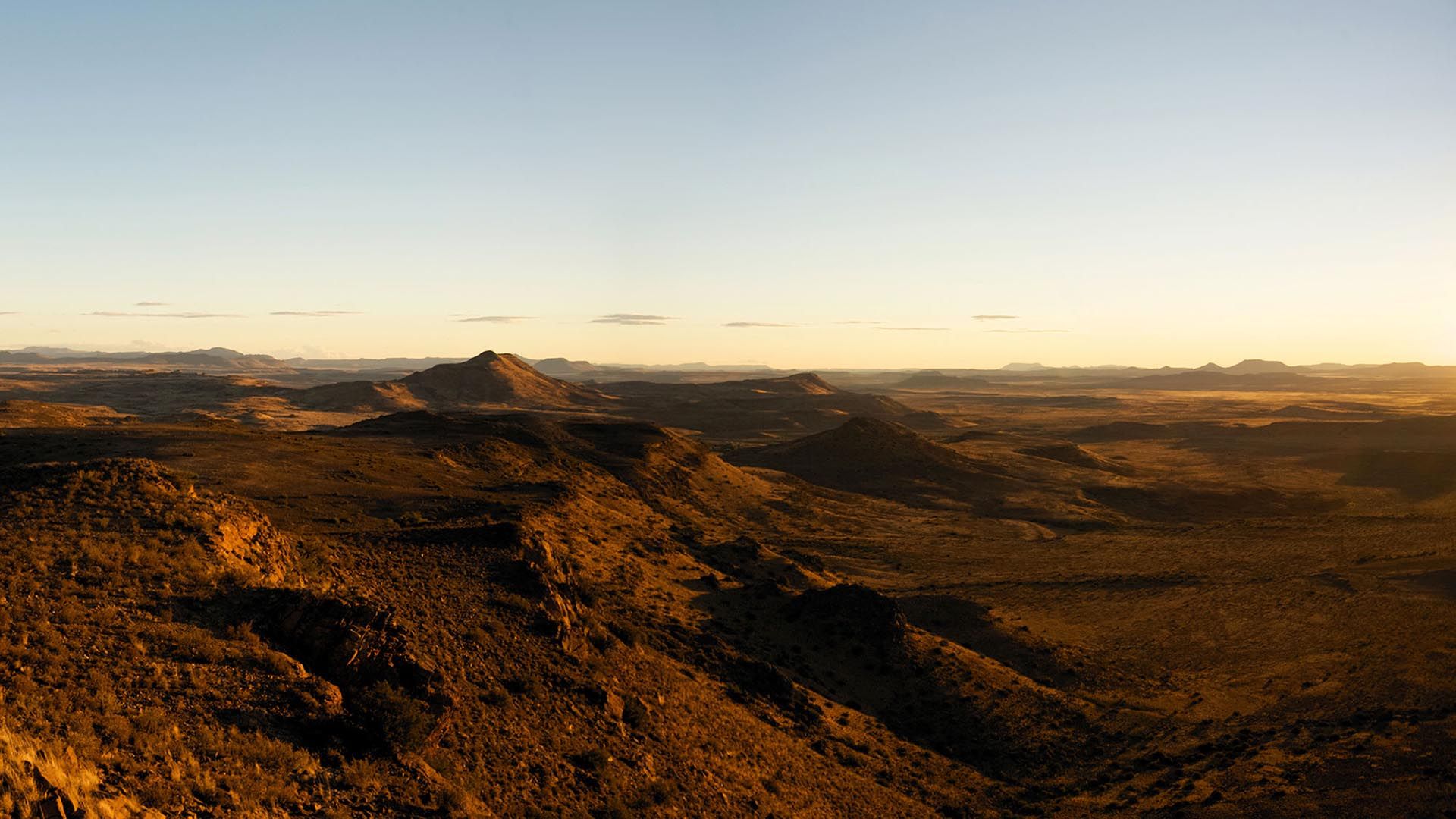
Moordenaars Karoo
Location Gallery More Tours -

Thabazimbi
Location Gallery hiadventure-thabazimbi-1 hiadventure-thabazimbi-2 hiadventure-… -

Naboomspruit
Location Gallery hiadventure-naboomspruit-1 hiadventure-naboomspruit-2 hiadvent…


